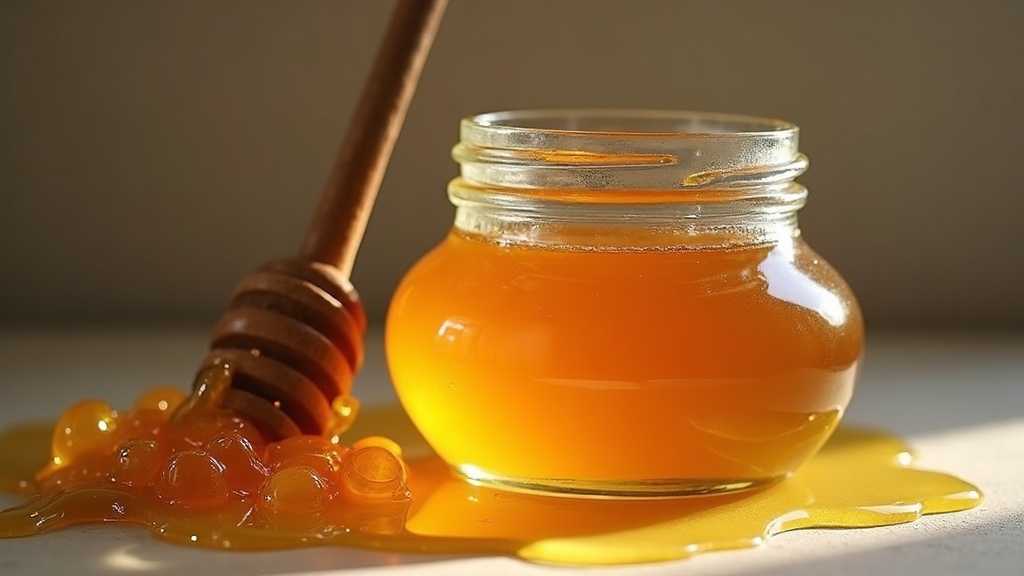
Before the coffee, before the rush — a quiet ritual involving honey is catching the attention of people rethinking how they support focus and clarity as the years go by.
Mornings look different once you hit your fifties — and so does the way your mind moves through the day.
Many people notice their sharpest thinking now takes longer to switch on, even after a full night's sleep.
Names, dates, and where-did-I-put-that moments seem to cluster in the early afternoon for a lot of folks over 50.
Caffeine helps for a while, but many find the lift doesn't stretch as far as it used to — leading them back to simpler kitchen staples like honey.
By evening, mental energy for conversation or reading can feel thinner, prompting a look at everyday routines instead of quick fixes.
A lot gets said about aging and memory. Here’s a grounded look at three ideas that come up often.
Memory decline after 50 is inevitable and unavoidable.
Many everyday habits — sleep, movement, and simple nutrition choices — play a visible role in how sharp a routine feels day to day.
Natural ingredients like honey are just old wives’ tales with no place in a modern routine.
Honey has been part of traditional morning rituals for centuries, and plenty of people still fold a spoonful into their day out of habit and preference.
If a routine or habit isn’t dramatic, it isn’t doing anything.
Small, steady routines are often the ones people stick with longest — and consistency tends to matter more than intensity.
Here’s the practical framework many people build their day around.
Before phones and inboxes take over, some people carve out five quiet minutes — often paired with a warm drink and a spoonful of honey.
Choosing a breakfast that includes simple, whole ingredients is a habit many in this age group say helps them feel steadier by mid-morning.
An evening routine that signals ‘day is done’ — dim lights, less screen time — rounds out the approach many follow.
Honey has shown up in kitchen traditions across cultures for generations, often stirred into warm drinks or spread over morning bread as part of an inherited routine rather than a modern trend. Long before supplement aisles existed, households treated it as a pantry staple worth keeping close at hand.
Insight: Traditions that last for generations usually persist because they’re simple enough to repeat — not because they promise anything dramatic.
Trouble following a story that has a few steps to it, especially in noisy rooms.
Keys, glasses, and phones seem to wander more than they used to.
Struggling to recall a discussion from earlier that same day.
A new app or gadget takes noticeably longer to get comfortable with.
A dip in sharpness that shows up reliably around the same time each day.
Sticky notes and phone alarms become the default rather than the backup.
These reflect individual experiences shared voluntarily. Results and experiences vary from person to person, and these statements are not a guarantee of any outcome.
No. This content is educational and shares general lifestyle information. It is not a treatment, diagnosis, or cure for any condition.
Honey has a long history in traditional morning routines across many cultures, which is part of why it comes up so often in conversations about everyday habits.
Not necessarily. Many people simply add one small habit rather than overhauling everything at once.
No — plenty of people explore these habits simply out of curiosity about supporting their daily routine as they age.
That varies widely from person to person, and there’s no fixed timeline that applies to everyone.
Yes. It’s always a good idea to check with a qualified healthcare professional before changing your diet or routine, especially if you have existing health conditions.
The full video walks through the complete story and context in more detail — you can watch it using the button on this page.
Watch the full video to see the complete picture — the tradition behind it, the simple steps, and what people say has kept them coming back to it.
Advertising Disclosure: This is sponsored content created for advertising purposes and may contain affiliate links. We may receive compensation if you make a purchase through links on this page. This content is not independent editorial coverage.
Content Disclaimer: This content is for educational and informational purposes only. It has not been evaluated by the FDA. Nothing on this page is intended to diagnose, treat, cure, or prevent any disease. Always consult a qualified healthcare professional before making changes to your diet, supplement routine, or lifestyle.
Results Disclaimer: Individual results and experiences vary. Testimonials and stories shared on this page reflect personal opinions and are not a guarantee of any specific outcome.
© 2026 · All Rights Reserved · /contact/